
Nonstop colds in the first years of daycare are normal: the AAP says most kids catch 8 to 10 colds in their first two years, and child care can mean more. Keep your child home for a fever with other symptoms, vomiting twice in 24 hours, diarrhea that can’t be contained, or when they’re too sick to join in. And read your program’s illness policy, because it may be stricter.
By our editors · Facts checked October 7, 2026. This guide is general information, not medical advice.
Disclosure: Treehouse Learning Center, which runs childcare and therapy programs in Massachusetts, publishes KidBrief. Our directory lists every licensed program, and we always label ours. Some links may be affiliate links: if you buy through them, we may earn a commission at no extra cost to you. How we make money.
The short version
- A runny nose, a cough without fever, or pinkeye without fever usually doesn’t mean a day home.
- Fever above 101°F plus a behavior change or other symptoms? Keep them home.
- After a fever with cold symptoms, wait 24 hours fever-free without fever-reducing medicine.
- Massachusetts programs must give you their illness rules in writing before your child enrolls.
- Vaccines, handwashing and a backup pickup plan are your best defense.
Why is my child always sick at daycare?
Because that’s how little immune systems get built. The AAP explains that young kids get sick often in their early years while immunity develops, and a child can be contagious a day or more before symptoms show. So even careful programs can’t catch everything early.
In group care, kids share toys, wipe noses, rub eyes and touch each other all day. The CDC says adults average two to three colds a year and kids often have more, and a cold usually improves over 7 to 10 days. That’s why one cold can seem to run straight into the next.
Common daycare illnesses: does my child need to stay home?
Here’s how the AAP’s child care guidance breaks it down. Your program’s rules may be stricter.
| Illness | Stay home? (AAP) |
|---|---|
| Cold, runny nose or cough | No, unless there’s a fever or your child is too sick to take part. Mucus color doesn’t matter. |
| Ear infection | No, unless behavior changes or they can’t join in normally. |
| Pinkeye (eye discharge) | No, if there’s no fever. |
| Hand, foot and mouth disease | Usually no, unless there are mouth sores with drooling or a fever. Health departments may require exclusion during outbreaks. |
| Strep throat | Yes, until at least 12 hours after starting antibiotics. |
| Chickenpox | Yes, until all sores are dried or crusted, usually about 6 days. |
| Head lice, scabies, ringworm | Until after the first treatment. |
| Hepatitis A | Until 1 week after the illness started, or as the health department directs. |
When to keep your child home from daycare
The AAP recommends keeping a child home for:
- Fever with other signs: above 101°F (38.3°C) plus a behavior change or symptoms like sore throat, rash, vomiting or diarrhea.
- Cold symptoms with fever: back after 24 hours without fever and without fever-reducing medicine.
- Vomiting two or more times in 24 hours, unless a doctor says it isn’t contagious.
- Diarrhea that leaks out of the diaper, causes accidents in a potty-trained child, means more than 2 extra stools a day, or has more than a drop of blood or mucus.
- Belly pain lasting more than 2 hours, or coming and going with fever or other worrying symptoms.
- Mouth sores with drooling your child can’t control.
- A rash with fever or behavior change, until a health care provider says it isn’t contagious.
- Signs of serious illness, like being unresponsive, unusually irritable, crying more than usual or having trouble breathing.
Also keep them home if they can’t take part in normal activities or need more care than staff can give without shortchanging other kids. Ratios matter here; see how Massachusetts sets them.
Get urgent medical advice if a baby under 2 months has a temperature above 100.4°F (38.0°C), and call 911 for a new rash that spreads fast and looks like bruises or tiny red or purple dots, the AAP says.
Your program’s rules come first
Massachusetts child care regulations require licensed programs to give you written exclusion rules for serious illness, contagious diseases and reportable diseases before enrollment, and to tell families when a communicable disease shows up in the program. Ask about the sick policy on your tour; it’s on our list of daycare tour questions.
When can my child go back to daycare?
- After fever with cold symptoms: 24 hours fever-free without fever-reducing medicine, per the AAP.
- After vomiting or diarrhea: the AAP sets no fixed waiting period. Kids can generally return once they no longer meet the criteria above and can take part, but your program may have its own rule.
- After strep throat: at least 12 hours after the first antibiotic dose.
- Ask whether your program needs a note from your child’s health care provider.
Rough morning back after a sick week? These tips can make daycare drop-off easier.
Which vaccines does daycare require in Massachusetts?
For the 2026-2027 school year, the Massachusetts Department of Public Health requires children 2 and older in child care or preschool to have:
| Vaccine | Doses |
|---|---|
| DTaP (diphtheria, tetanus, pertussis) | 4 |
| Polio | 3 |
| Hepatitis B | 3 |
| Hib | 1 to 4, depending on the product and the age the series began |
| MMR (measles, mumps, rubella) | 1, on or after the first birthday |
| Varicella (chickenpox) | 1, on or after the first birthday, or a reliable history of chickenpox |
Kids under 2 should be immunized for their age on the AAP schedule, the state says. Massachusetts allows medical and religious exemptions, renewed at the start of each school year. The AAP also urges staff and children to stay fully immunized, especially against flu.
Handwashing and daily habits that help
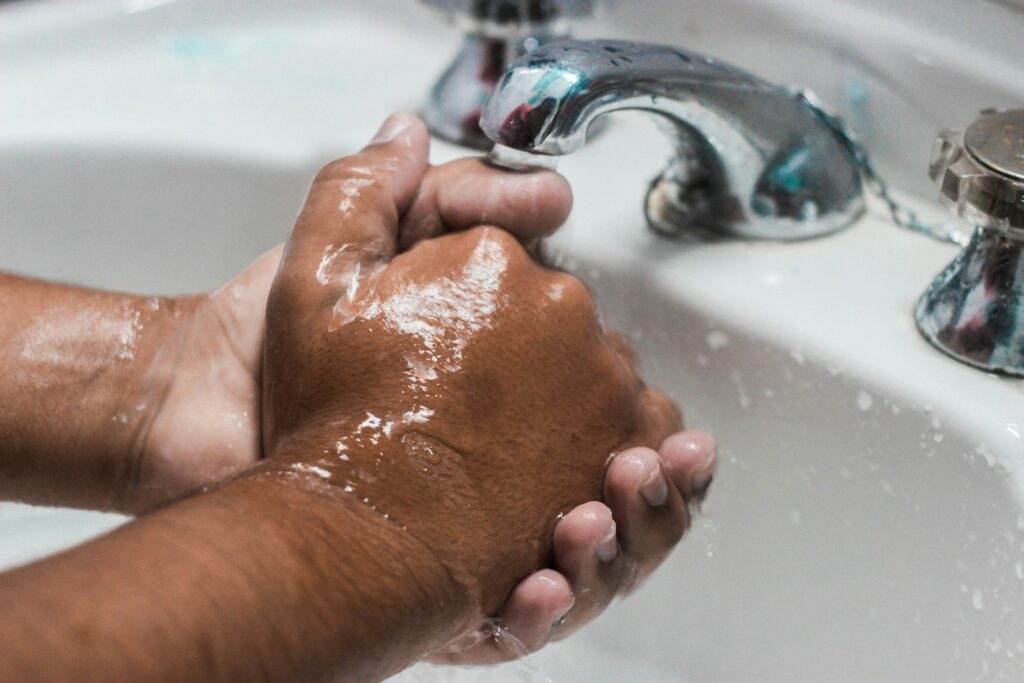
- Wash hands on arrival, before and after eating, after toileting or diaper changes, and after wiping noses, as the AAP advises.
- The CDC says to scrub with soap for at least 20 seconds, or use hand sanitizer with at least 60% alcohol when soap and water aren’t around.
- Line up a backup person who can pick up your child if they get sick mid-day.
When to call your pediatrician
The AAP says to call at the first sign of illness in a baby 3 months or younger. For older kids, call for fast or hard breathing, blue lips or nails, a fever over 102°F (38.9°C), ear pain, unusual sleepiness or fussiness, a runny nose lasting more than 10 to 14 days, a daytime cough lasting more than 10 days, or a child who isn’t improving each day. If illnesses feel nonstop, ask whether anything else should be checked.
For children who need extra support
Kids with medical needs
Under EEC policy, any child with a chronic condition like asthma, diabetes, epilepsy or a serious allergy needs an Individualized Health Care Plan. It covers the condition, symptoms, any treatment during care, who gives it and how to reach the child’s provider. It’s renewed every year and whenever the condition changes. Staff who give medicine must be trained, and a trained person must be on hand whenever the child is in care.
If your child’s immune system is weakened, ask your pediatrician which illnesses are riskiest and ask the program to tell you fast about outbreaks.
Kids who can’t tell you they feel sick
Children with speech delays, autism or other developmental differences may not be able to say something hurts. Tell the teacher how your child shows pain or illness, like pulling at an ear, refusing food or going unusually quiet. If you’re unsure whether your child’s communication is on track, our speech milestones guide can help.
Common questions
Will all these illnesses make my child healthier later?
The AAP explains that frequent illness in the early years is part of how young bodies build immunity. Vaccines and handwashing can still cut down how often your child gets sick.
My child had a fever last night but seems fine. Can they go?
If the fever came with cold symptoms, the AAP says wait until your child has gone 24 hours without fever and without fever-reducing medicine. Check your program’s policy too.
Can my child go to daycare with pinkeye?
Under AAP guidance, eye discharge without fever doesn’t require staying home, even if the whites of the eyes are red. Some programs are stricter, so ask yours.
Should I switch daycares if my child is always sick?
Not necessarily, since frequent colds are normal in any group setting. But it’s fair to ask about handwashing routines, cleaning and how the program tells families about outbreaks. If you do decide to look around, start with our guide to finding a good daycare, or browse more on our families page.
Get the weekly briefing · See our trusted picks
Sources
- When to Keep Your Child Home From Child Care (HealthyChildren.org, AAP)
- Children and Colds (HealthyChildren.org, AAP)
- Reducing the Spread of Illness in Child Care (HealthyChildren.org, AAP)
- About Common Cold (CDC)
- About Handwashing (CDC)
- School Immunizations (Mass.gov)
- Massachusetts Immunization Requirements for School Entry, 2026-2027 (Massachusetts DPH)
- 606 CMR 7.00: Standards for the Licensure or Approval of Child Care Programs (Massachusetts EEC)
- Individualized Health Care Plans Policy and Form (Massachusetts EEC)



Leave a Reply